
The right tools clean faster, last longer, and pass inspections. Here is why City Wide standardizes on dual chamber buckets, flat mops, and microfiber.
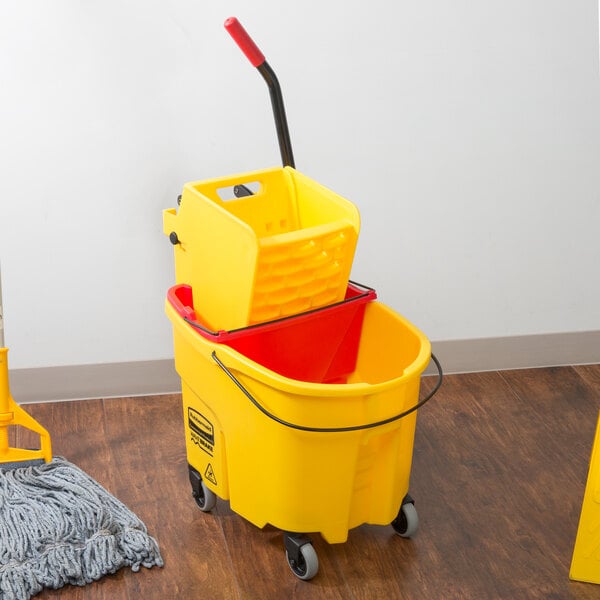

With a single bucket, every wring drops dirty water back into your cleaning solution. Ten minutes in, you are spreading gray water across the floor and calling it mopping. That is where streaks, dull floors, and odor complaints come from.
A dual chamber bucket keeps clean solution on one side and wrung out dirty water on the other. The solution stays effective for the whole area, floors dry cleaner and faster, and the same pad of chemical goes further.
If the solution side looks like the dirty side, dump both and remix. Dirty water never cleans a floor.

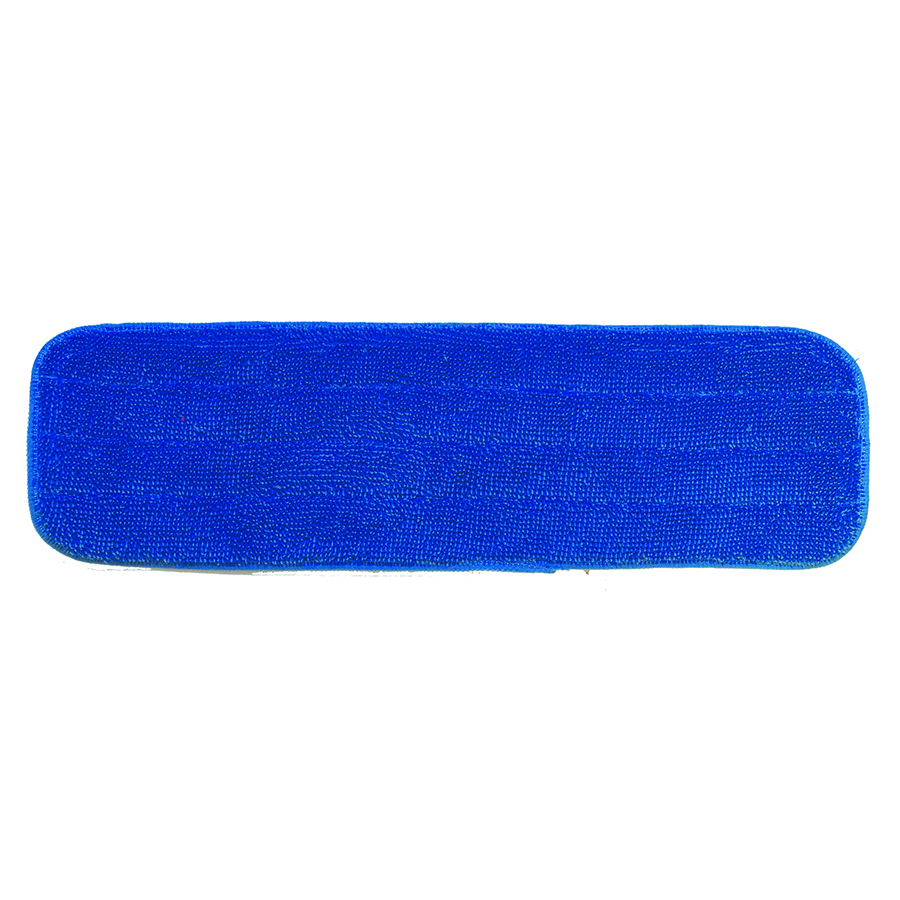

The flat microfiber mop is the nightly workhorse. It glides in an S pattern with a light touch, gets into corners a round mop head misses, and the pad swaps in seconds, so a fresh pad every 500 to 750 sq ft is actually realistic. Less water on the floor also means faster dry times and fewer slip risks.
The looped string mop still has a job: soaking up spills, scrubbing heavy soil, and working with the deck brush. Keep one on the truck. Just do not use it for nightly mopping; it carries far more water, dries slower, and drags soil along instead of lifting it.
| Job | Use This | Why |
|---|---|---|
| Nightly hard floor mopping | Flat microfiber mop | Light, fast, even coverage, quick pad changes |
| Spills & standing water | Looped string mop | Holds far more liquid |
| Heavy soil & degreasing | String mop & deck brush | Aggressive scrub, then pick up the slurry |
| Baseboards & edges | Deck brush or doodlebug | Mops ride over built up edge soil |
Microfiber fibers are split hundreds of times finer than a human hair. Those edges grab and hold soil and bacteria instead of smearing them, pick up more with plain water and less chemical, and survive hundreds of launderings. Cotton pushes soil around, lints, holds odor, and wears out fast.
Wash microfiber separately from cotton, skip fabric softener and bleach, and dry on low. Softener and high heat melt the fibers shut and kill the magic.