Pick the building size and the cleaning type. The planner builds your starting kit with laundry rotation already baked in, so the crew never runs out mid shift.
The fastest way to lose a new account is to show up under equipped. One towel and one mop head cannot clean a building, and it shows on night one. This planner sets the minimum inventory to load on the van before the first shift.
The 3x Rotation Rule
Every pad and cloth quantity below is tripled on purpose: one set in use tonight, one set in the laundry, and one clean spare on the shelf. If you only buy one set, you are choosing between skipping the laundry and skipping the cleaning.
Build Your Kit
1. Building Size (cleanable square feet)
2. Cleaning Type
Item
Quantity
Ready to buy this kit?Build it priced, with the new building kit discount applied automatically.
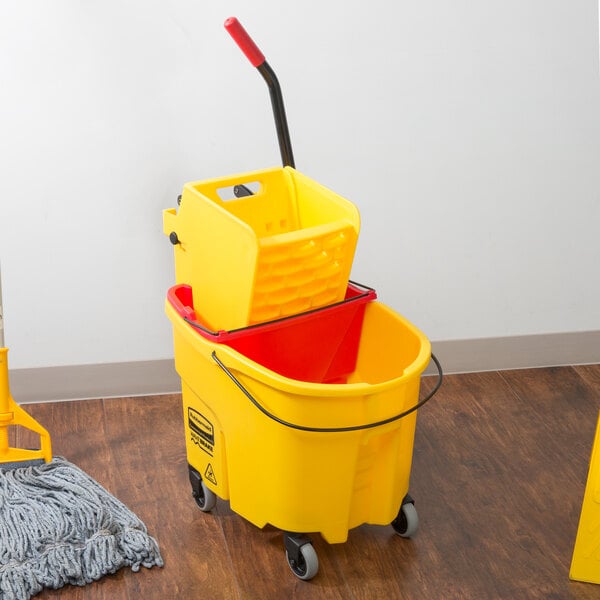
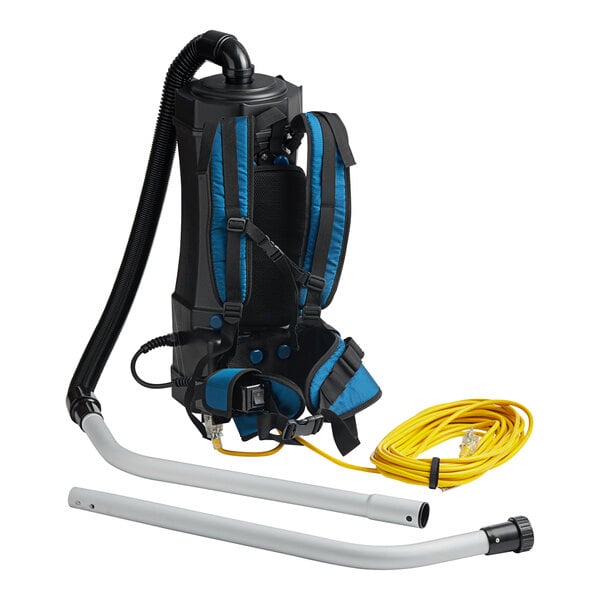
Dual Chamber BucketClean and dirty water separatedFlat Mop SystemFrame, handle, and padsColor Coded MicrofiberSold by the dozenHEPA Backpack VacuumFast and filtered
Where the Numbers Come From
These quantities are grounded in ISSA production standards and City Wide field experience, not guesswork:
Flat mop pads: change the pad about every 500 to 750 sq ft of hard floor. Mopping past that point pushes dirty water around instead of picking it up.
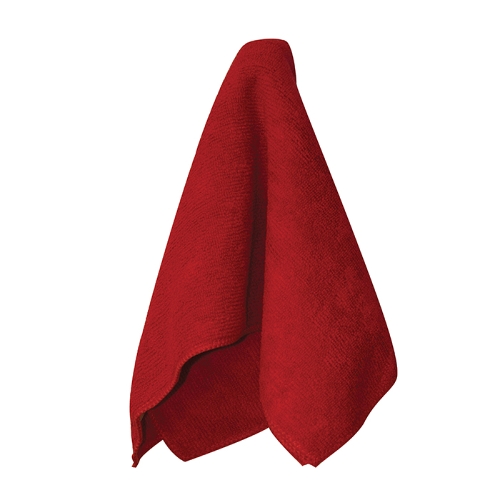
Microfiber cloths: retire a cloth when you finish a zone, roughly one cloth per 250 to 300 sq ft of surface work. Restrooms burn cloths faster.
Team model: quantities assume the City Wide 4 specialist team approach (light duty, vacuum, restroom, and utility) on larger buildings.
Before You Load the Van
Kit matches the table above for this building size and type
Every cloth and pad color is stocked: red, yellow, blue, and green
Chemicals are labeled, diluted correctly, and spray bottles are marked
Vacuum runs, filter is clean, and a spare belt and bags are packed
Wet floor signs, gloves, and PPE are in the vehicle
Laundry plan is confirmed: who washes, where, and by when
Building keys, alarm codes, and the scope of work are in hand